Using a drone for photography or videography often means capturing scenes under varied, unpredictable conditions—bright sunlight, reflective surfaces such as water or glass, haze, or strong contrast. The filter you choose for the drone’s camera lens can affect image quality, clarity, and color. Among common filter types are neutral‑density (ND), circular polarizing (CPL), and ultraviolet (UV) filters. Each serves a different purpose. Understanding their roles helps you pick the right one for each flight.
Why Filter Choice Matters
The wrong filter can degrade footage quality or limit flexibility. Too much light without control yields overexposed or harsh images. Reflections off water or glass may wash out details. Atmospheric haze or ultraviolet light at altitude can soften colors or reduce contrast. Choosing a filter according to environment and scene ensures proper exposure, naturalness, and sharpness. For drone pilots, this matters more than merely “adding a filter”—the right filter enables consistent, high-quality results.
What Each Filter Does: ND, CPL, and UV
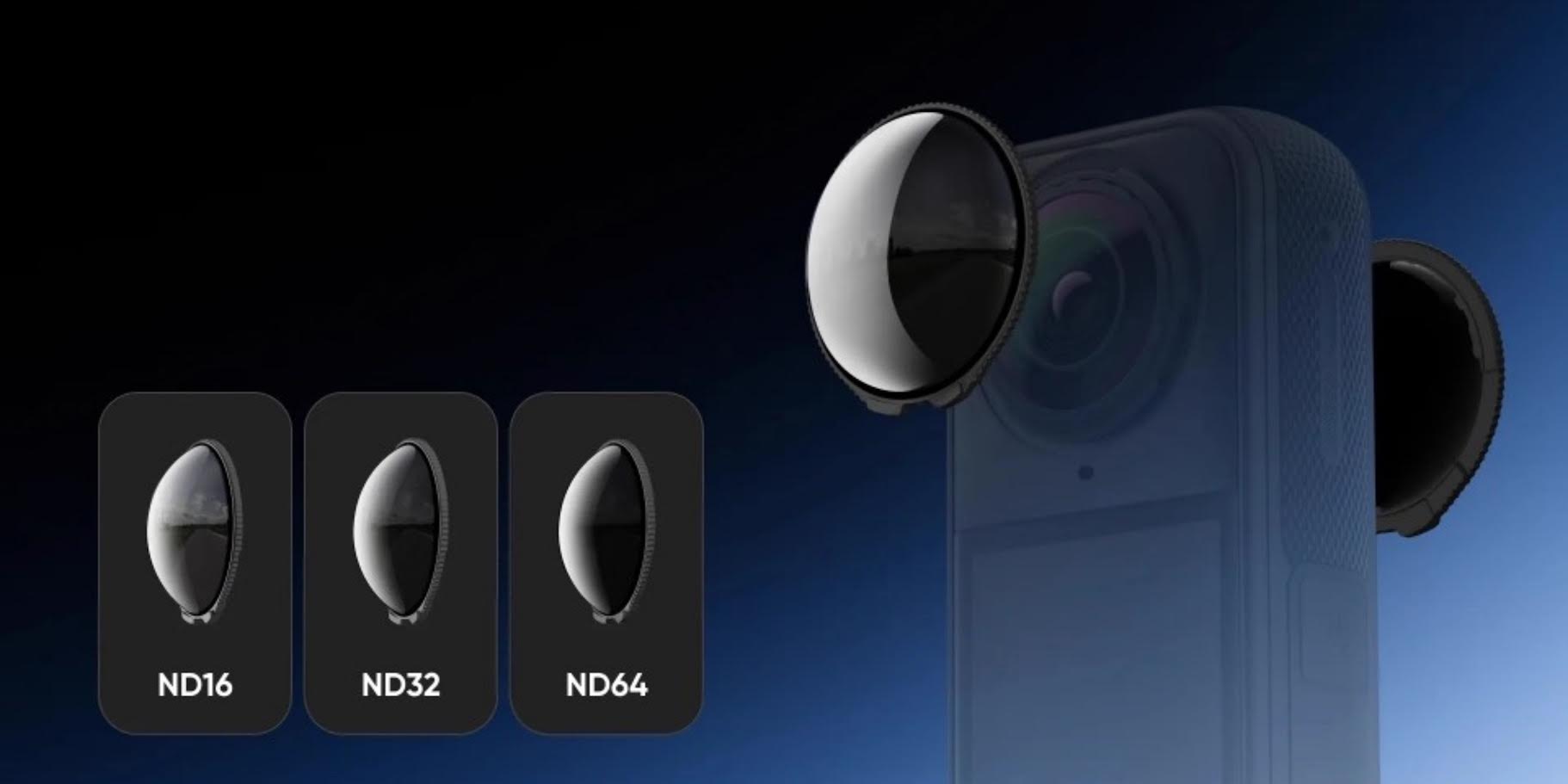
- ND (Neutral‑Density) filters: ND filters limit the light that enters the lens by one or more stops but keep the color balance unchanged. This means that shutter speeds can be slowed down or apertures can be opened wider even in bright light. In the case of video, the resulting motion blur is more continuous and thus more natural-looking, instead of the typical staccato effect that is apparent at very high shutter speeds.
- CPL (Circular Polarizing) filters: A CPL filter decreases the amount of light reflected on a surface such as water, glass, or metal, which causes the light to be partially polarized. Besides that, it also makes the sky look bluer, the leaves greener, and the overall color more saturated and with increased contrast.
- UV (Ultraviolet) filters: Once upon a time, UV filters were designed to eliminate the ultraviolet light that could cause haze or a bluish tint on films in photographic cameras. Their effect on light is now minimal with the latest digital sensors.
Conclusion
There is no single filter that is “best” for all drone scenarios. ND, CPL, and UV filters are devices with different uses. When you take off, whether or not to use a filter and which one depends on the time, place, and your creative goals. ND is the best option if you want to capture footage of a bright sunny day or create a cinematic video.