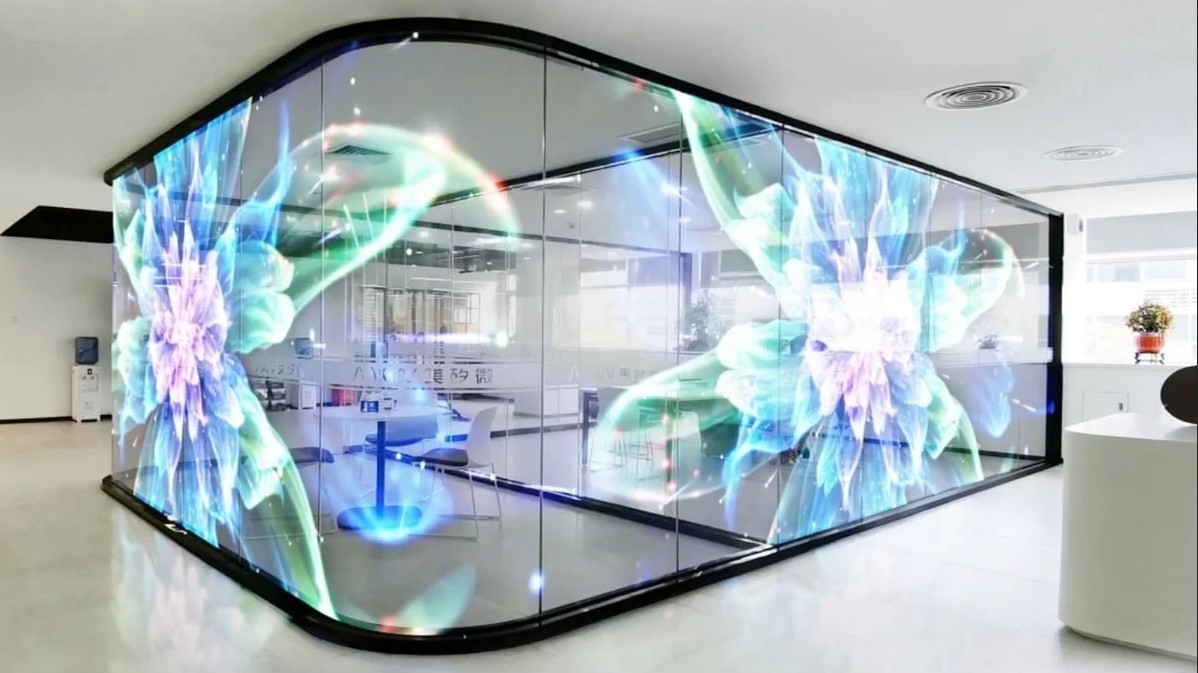
Introduction: The Influence of Modern Transparent Product Design on Digital Imagery
In today’s visually driven world, the way we present and interact with images online is shaped by more than just the subject matter—it’s also about the design language that frames our digital experiences. From sleek website interfaces to the latest in mobile photography accessories, modern transparent product design inspiration is increasingly steering creative trends for both professional photographers and everyday users. According to a 2025 Adobe Creative Cloud report, 68% of users are more likely to engage with platforms and products that feature transparent, minimalistic, and intuitively designed elements.
The Rise of Transparent Design in Photography Platforms
1. Minimalism Meets Functionality
Transparent design isn’t just a visual trend—it’s a philosophy that prioritizes clarity, ease of use, and seamless integration with user content. On platforms like PhotosNow, where users curate and share everything from Girls Dp to travel moments, a clean and unobtrusive layout means the focus always remains on the images themselves. Data from Nielsen Norman Group underscores that minimal interfaces increase user satisfaction by up to 32% compared to visually cluttered alternatives.
2. Enhanced User Experience Through Clear Visual Hierarchy
Translucent overlays, glassmorphism effects, and subtle gradients provide depth without distraction. These design choices help users navigate vast libraries of images—be it for selecting a new profile pic or browsing inspirational DPs—making the journey both efficient and enjoyable.
How Transparent Design Trends Impact Digital Photo Sharing
1. Boosting Engagement and Retention
Sites and apps that utilize transparent product design see significantly higher engagement rates. According to a 2025 UX Design Institute study, platforms with transparent design elements experience a 27% increase in repeat visits. This is crucial for image-centric platforms like PhotosNow, where user retention and community growth are paramount.
2. Adaptability for All Devices and Resolutions
A transparent, modular design adapts seamlessly across smartphones, tablets, and desktops, ensuring that images—from cute girl pics to stylish DPs—look stunning on any screen. This device-agnostic approach is highlighted in a Statista survey, where 74% of users cited responsive design as a key reason for continued use of photo-sharing sites.
Current Examples: Transparent Design in Digital Products
- Profile Image Frames: Translucent borders or overlays that don’t overpower the main photo.
- Navigation Panels: Floating menus with glass-like backgrounds for easy access to categories like “Cute Girl Pic” or “Sad Dp” without visual clutter.
- Interactive Galleries: Lightbox popups using transparent gradients to highlight images while keeping navigation intuitive.
Photography Accessories and Transparent Design
The influence of transparent design extends beyond digital platforms to physical products. From camera cases made with durable clear materials to tripods with visible internal mechanisms, the “see-through” aesthetic signals innovation, quality, and trust. According to IDSA (Industrial Designers Society of America), transparent design in products is associated with perceptions of honesty and advanced engineering.
Data-Driven Impact: Why Transparent Design Matters
- 68% of users prefer platforms/products with transparent design elements (Adobe, 2025)
- 27% higher repeat engagement on image-sharing sites using minimalist, transparent UI (UX Design Institute, 2025)
- 32% increase in user satisfaction with minimal, clear interfaces (NNG, 2025)
- 74% value responsive, adaptable layouts for their photo-centric needs (Statista, 2025)
Tips for Creators: Leveraging Transparent Design in Your Imagery
- Choose Platforms with Clean Layouts: Your photos stand out best when not crowded by heavy borders or distracting backgrounds.
- Use Transparent Overlays for Branding: Subtle watermarks or signatures that don’t detract from your content.
- Experiment with Glassmorphism: Modern image editors now offer tools to create transparent, layered effects—perfect for profile images or story highlights.
The Future: Transparent Design as a Visual Identity
As digital aesthetics continue to evolve, transparent product design is poised to remain a defining force in how images are shared and appreciated. For platforms like PhotosNow, embracing this trend means not only delivering a more enjoyable user experience but also empowering creators and everyday users to showcase their photos in the best possible light.
Conclusion
Modern transparent product design inspiration is more than a fleeting trend—it’s a strategic approach that enhances both the beauty and usability of digital photo sharing platforms. As users become increasingly selective about where and how they engage with visual content, sites that prioritize clarity, adaptability, and aesthetic appeal will lead the way in 2025 and beyond.