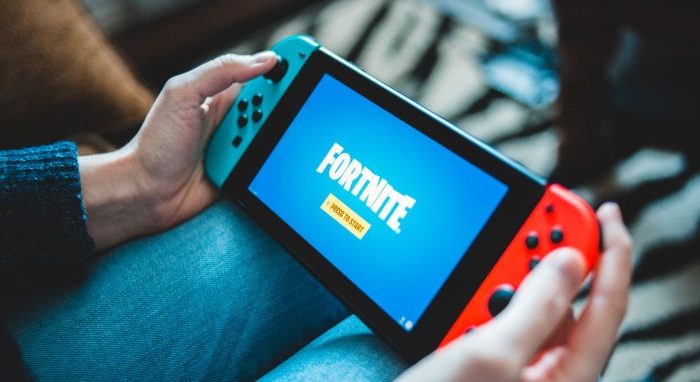
Gaming was once mainly a local experience. Players shared a console, visited an arcade, or competed against friends in the same room. Today, someone in India can join a squad with players in Europe, compete in a tournament hosted in North America, and discuss the match with viewers from several other regions.
Online gaming has become a worldwide player network rather than a collection of isolated games. This transformation was made possible by faster internet connections, powerful multiplayer systems, mobile access, digital communities, and games designed to remain active for years.
Internet Connectivity Removed Physical Boundaries
The slot development of reliable broadband was one of the most important changes in gaming history. Early online matches were often limited by slow connections, high latency, and frequent disconnections. As network infrastructure improved, games could support larger environments, faster action, and more consistent communication.
Players no longer needed to be physically close to compete or cooperate. Servers could connect people across cities and countries, while matchmaking systems automatically found suitable opponents or teammates.
This changed the meaning of a gaming community. A player’s regular group no longer had to consist of school friends or neighbours. It could include people from different cultures, time zones, and language backgrounds who had never met offline.
Multiplayer Games Became Persistent Social Spaces
Early multiplayer games generally focused on individual matches. Players joined, competed, and left. Modern online titles often function as persistent spaces where relationships and progress continue between sessions.
Guilds, clans, alliances, friend lists, team rankings, shared missions, and community events encourage players to return to the same network. Over time, these systems create familiarity. Players begin to recognise names, develop team roles, and form routines around scheduled sessions.
For many enthusiasts, the social experience becomes as important as the game itself. A person may continue playing a familiar title because of the community around it, even after newer alternatives appear.
Online gaming has therefore moved beyond connecting machines. It connects identities, friendships, rivalries, and shared memories.
Mobile Gaming Expanded the Global Audience
Consoles and depo 5k gaming computers remain important, but mobile devices dramatically widened access to online gaming. A smartphone can support competitive games, casual puzzles, multiplayer strategy titles, card games, and casino-style entertainment without requiring specialised hardware.
Mobile access has brought online gaming into regions where console ownership or high-end computer use may be less common. It has also made participation more flexible. Players can join short sessions during breaks, communicate with teammates while travelling, or manage in-game progress without sitting at a desk.
This accessibility helped create a broader network containing different age groups, experience levels, and playing habits. The modern gaming audience is not defined by one device or one type of player.
Cross-Platform Play Connected Separate Communities
For years, players were divided according to the hardware they owned. Console users could often play only with people using the same system, while mobile and computer players remained in separate environments.
Cross-platform technology has gradually reduced those barriers. Many games now allow players on consoles, computers, and mobile devices to enter the same network. Cross-progression can also let users carry achievements, purchases, rankings, and customised items between devices.
This makes gaming communities more durable. Friends do not always need identical hardware to play together, and players can change devices without abandoning their full progress.
Cross-platform systems still create challenges, especially when different control methods provide competitive advantages. Developers may address this through input-based matchmaking, platform filters, or separate competitive categories.
Localisation Made Global Games Feel Accessible
A worldwide player network cannot grow through connectivity alone. Games must also be understandable and culturally accessible.
Localisation involves more than translating menus. It can include voice acting, date formats, payment methods, customer support, regional events, legal requirements, cultural references, and interface adjustments. Strong localisation allows players to experience a game naturally rather than feeling like secondary participants in a product designed for another market.
Regional servers also improve performance by reducing the distance data must travel. Lower latency is particularly important in competitive titles where even a brief delay can affect the result.
However, global communities still need systems that allow regions to interact. International tournaments, shared updates, community challenges, and multilingual communication tools help maintain a wider sense of connection.
Streaming Turned Players Into Global Spectators
Livestreaming and gaming videos strengthened this network by allowing people to participate without actively playing. Viewers can watch tournaments, learn strategies, follow creators, and discuss updates in real time.
A popular streamer can introduce a game to audiences across several countries within a single broadcast. Competitive players can build international followings, while smaller communities can gather around specialist genres or older titles.
Streaming also creates a shared gaming culture. Memorable matches, unusual challenges, character reactions, and in-game events can become global conversation topics. Players who use different platforms or speak different languages may still recognise the same moments.
Digital Economies Encourage Long-Term Participation
Many online games now operate as continuing services rather than products with a fixed ending. Seasonal updates, downloadable content, cosmetic items, battle passes, tournaments, and limited events keep networks active.
These systems give players reasons to return, but they also require careful decision-making. Limited-time rewards can create pressure to play or spend more than intended. Digital items may carry emotional or social value even when they cannot be exchanged outside the game.
Players should examine purchase conditions, account restrictions, refund rules, and whether items remain accessible across platforms. A global network can create a large digital economy, but participation should still be based on clear information and personal limits.
Moderation Is Essential in a Worldwide Network
Connecting millions of players also creates risks. Harassment, cheating, account theft, scams, hate speech, and harmful communication can spread quickly through large communities.
Effective networks need reporting tools, privacy settings, parental controls, chat filters, account security, anti-cheat systems, and consistent moderation. Players should be able to block unwanted contact and understand what happens after a report is submitted.
Users also contribute to community quality. Protecting login details, avoiding suspicious links, respecting other players, and reporting serious misconduct help make shared spaces safer.
Final Thoughts
Online gaming became a worldwide player network through a combination of connectivity, mobile access, cross-platform systems, localisation, streaming, and persistent communities. Games are no longer limited experiences played in isolation. They are meeting places where people compete, cooperate, communicate, and build shared cultures.