The Street You Drive Down Every December
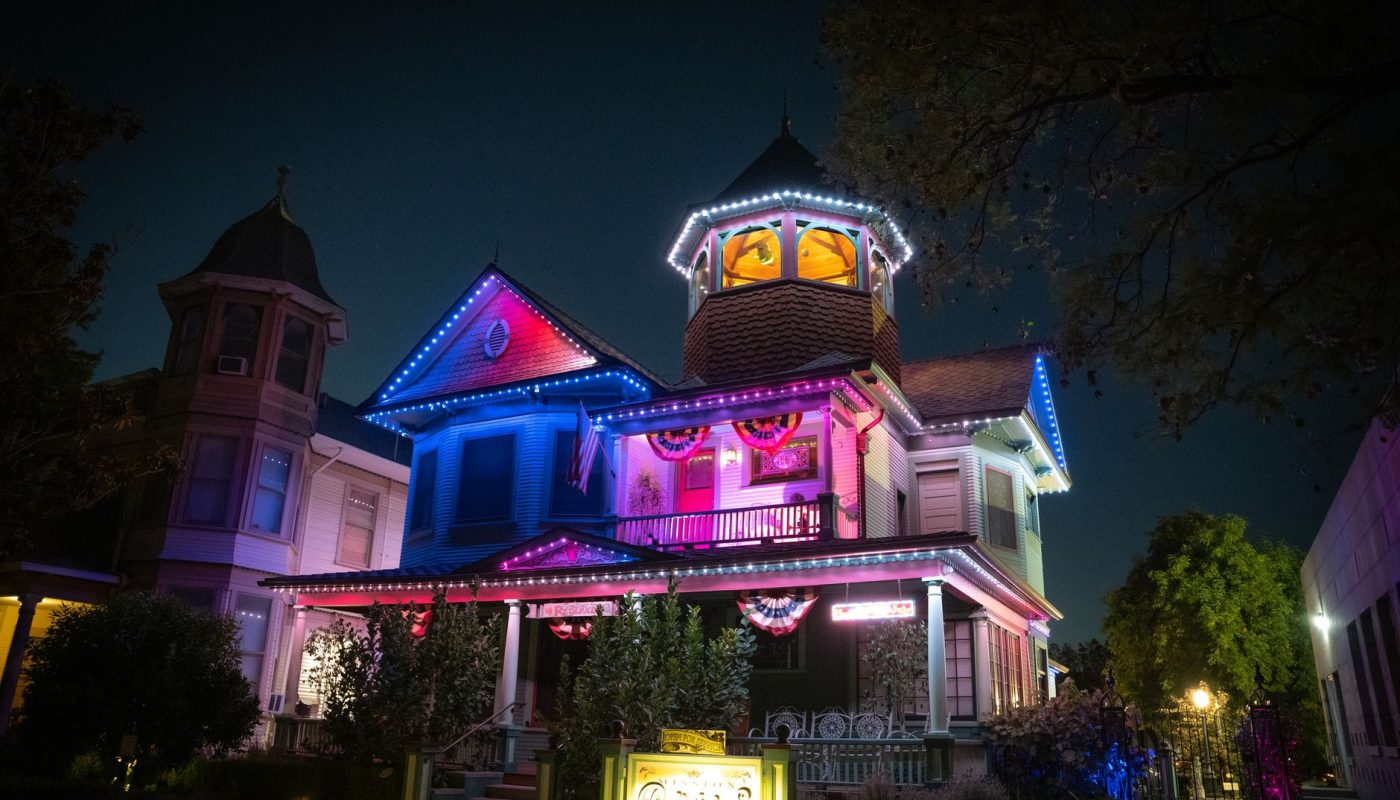
Picture the same cul-de-sac you pass every evening in late November, except this year something has shifted. One house that used to string a single strand of colored bulbs across the porch railing now has a full canopy of warm white light wrapped through the branches of a mature oak, with a tree in the front yard glowing like it belongs in a storefront window. Neighbors slow their cars down. Kids point from the back seat. Someone inevitably stops to ask who did the work.
This scene plays out across suburban streets in Utah every winter, and it reflects a broader shift in how homeowners think about seasonal lighting. What used to be a weekend chore involving tangled extension cords and a ladder has become something closer to a design decision. People want their outdoor spaces to feel intentional, not just lit up because the calendar says December. That shift didn’t happen overnight, and it has roots in both changing technology and changing expectations about what a holiday display should look like.
What Years of Installations Reveal About Lasting Displays
After enough seasons of hanging lights on homes across the valley, patterns start to emerge about what actually holds up and what fades into disappointment by New Year’s Eve. One of the clearest lessons involves scale and placement rather than raw bulb count. A handful of well-placed strands wrapped tightly around trunks and major limbs will outperform a tangle of cheap string lights draped loosely over branches, and this is part of why decorated Christmas trees have become a signature request for homeowners who want their yard to look finished rather than hastily assembled. The difference shows up most clearly after a wind storm, when poorly secured lights sag or go dark while properly installed ones stay put.
Durability matters just as much as appearance, especially given how harsh a Utah winter can be on exposed wiring and bulbs. Freezing temperatures, snow load, and sudden temperature swings put real stress on outdoor lighting equipment, and installers who have dealt with enough service calls learn to plan for that stress before it happens rather than after. Commercial-grade LED strands, weatherproof connectors, and properly grounded outlets are not decorative upgrades, they are the difference between a display that survives January and one that needs replacing by Christmas Eve.
Energy use has also become part of the conversation in a way it rarely was a decade ago. Homeowners running lights for six to eight hours a night across an entire season want to know what that means for their utility bill, and the answer has changed significantly as LED technology has matured. According to ENERGY STAR lighting guidance, modern light fixtures can cut energy consumption dramatically compared to older incandescent options while producing comparable or better brightness, which explains why most professional installers now default to LED exclusively rather than offering it as a premium add-on.
Planning a Display That Still Looks Good in February
Translating these lessons into an actual plan starts with thinking about the display in terms of its full lifespan, not just the night it goes up. Lights that look stunning on installation day but droop or short out by mid-January create more frustration than they’re worth. A good installer walks the property beforehand, looks at tree structure, checks outlet placement, and maps out where wind tends to funnel through the yard, because all of that affects how the lights will perform over several weeks of real winter weather.
Material choice plays a bigger role than most homeowners expect going in. Commercial-grade LED strands with sealed connections resist moisture infiltration far better than consumer-grade options bought at a big box store, and that matters in a climate where snow melts, refreezes, and melts again throughout the season. Spacing also deserves attention, since lights bunched too tightly can look cluttered from the street while lights spaced too far apart leave gaps that are obvious after dark. Getting that balance right usually takes an eye trained by dozens of past installations rather than guesswork.
Maintenance planning rounds out a solid approach, even though it’s the part most people forget to ask about. A quick mid-season check, especially after a major storm, can catch a loose connection or a burned-out section before it becomes an eyesore that sits there for weeks. Many homeowners also want their displays timed to run automatically, turning on at dusk and off late at night, which keeps energy use reasonable without anyone having to remember a switch. Those small logistical choices add up to a display that still looks sharp in the second week of January, not just on the night it was installed, and that consistency is ultimately what makes neighbors stop their cars and ask who did the work.