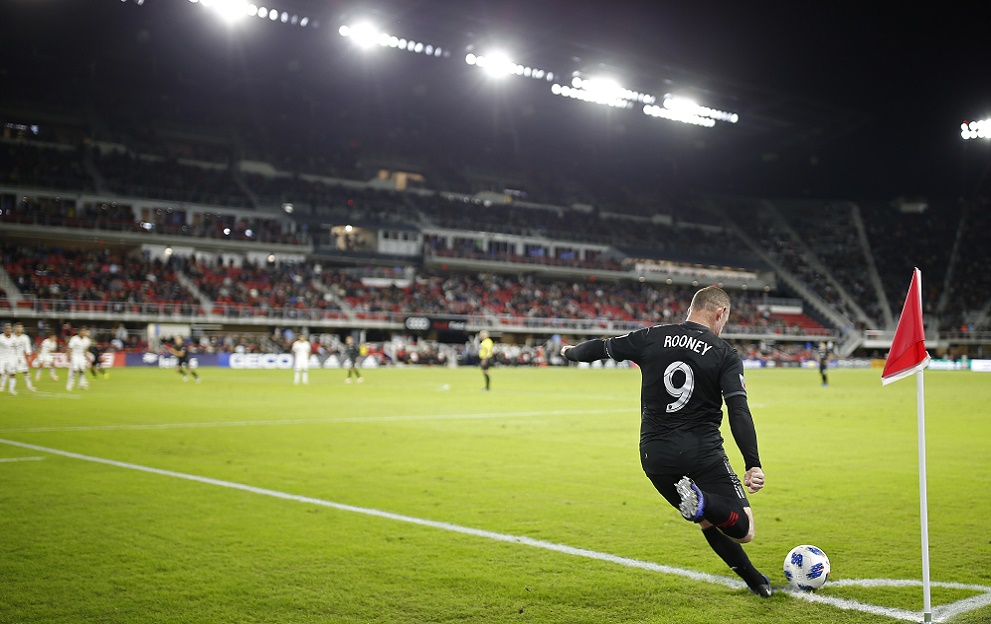
Corner kicks in the Bundesliga are not merely byproducts of attacking pressure; they are repeatable outcomes shaped by tempo, width usage, and defensive choices. Because Bundesliga matches are played at high speed with frequent transitions, corner volume and timing often reveal more about match dynamics than shot counts alone. Analyzing corners in this league requires understanding how tactical intent, opponent behavior, and game state interact over ninety minutes.
Why corners play a prominent role in Bundesliga games
The Bundesliga’s emphasis on vertical play and wide progression naturally increases corner frequency. Teams attack quickly through the flanks, forcing defenders into rushed clearances rather than controlled recoveries. As a result, corners accumulate even in matches with balanced possession.
This prominence is reinforced by pressing intensity. When teams counter-press aggressively after losing the ball, defenders often choose safety-first options, conceding corners instead of risking turnovers in dangerous zones.
Tactical styles that consistently generate corners
Not all attacking styles produce corners at the same rate. Certain tactical approaches are structurally aligned with repeated corner generation, regardless of opponent quality.
- Heavy reliance on wide overloads
- Frequent crossing from advanced half-spaces
- Full-backs positioned high during sustained attacks
- Wingers encouraged to isolate defenders one-on-one
These elements increase blocked crosses and deflected shots, both of which directly contribute to higher corner counts. Teams using these styles often generate corners even when shot quality remains average.
Defensive behaviors that inflate corner totals
Corner volume is influenced as much by defending as by attacking. Some Bundesliga teams intentionally concede corners as part of their defensive risk management, prioritizing box protection over ball retention.
This behavior is most visible against strong crossing teams, where defenders angle clearances behind the goal to reset shape. Over time, these repeated decisions inflate corner counts without necessarily increasing goal risk.
Timing patterns of corners within matches
Corners in the Bundesliga do not arrive evenly across the match. They cluster around specific phases where pressure peaks and defensive organization is strained.
| Match Phase | Typical Corner Trend | Underlying Cause |
| Opening 15 minutes | Moderate increase | High tempo, unsettled shape |
| Late first half | Spike | Sustained pressure before break |
| Early second half | Short dip | Tactical adjustments |
| Final 20 minutes | Sharp rise | Fatigue and urgency |
This table shows that corner timing mirrors physical and psychological stress points. Understanding when corners are most likely helps explain why some matches accelerate suddenly after long quiet periods.
Game state and its effect on corner frequency
Scoreline heavily influences corner behavior. Teams trailing by a goal increase wide attacks and crossing frequency, while leading teams clear lines more conservatively. This divergence amplifies corner volume late in matches with narrow scorelines.
Importantly, dominant teams do not always produce more corners when leading. Once control is established, some sides shift toward possession retention, reducing corner output despite territorial dominance.
Leading versus chasing scenarios
Before evaluating totals, it is important to distinguish between leading and chasing scenarios. Chasing teams generate corners through urgency and volume, while leading teams often concede corners through defensive clearance choices. Bundesliga matches with persistent corner flow usually involve one team chasing while the other defends deep.
Using corner patterns to read live match flow
Corners act as a real-time indicator of territorial pressure. A sequence of corners often precedes shots, substitutions, or tactical shifts, even if goals do not follow immediately.
In live analysis workflows, some observers reference match interfaces like UFABET to track corner accumulation alongside possession zones and attacking direction. Watching whether corners come from sustained buildup or isolated breaks helps clarify whether pressure is structural or situational. This distinction matters because sustained corner pressure often leads to further territorial dominance, while isolated corners may not change the underlying balance of play.
When corner trends become misleading
High corner counts do not always signal attacking superiority. Teams defending deep can concede multiple corners without facing clear chances, especially if deliveries lack variation. Conversely, efficient counterattacking teams may generate few corners while creating high-quality chances in open play.
Small samples also distort interpretation. A flurry of early corners may reflect tactical experimentation rather than a lasting pattern. Context remains essential when drawing conclusions from corner data alone.
Integrating corners into broader match analysis
Corners are most valuable when combined with other indicators such as crossing accuracy, second-ball recovery, and opponent clearance distance. On their own, they show pressure; in context, they reveal intent and sustainability.
By aligning corner patterns with tactical structure and match state, Bundesliga corner analysis becomes a tool for understanding how and why matches evolve, rather than a simple count of set-piece opportunities.
Summary
Corner kicks in Bundesliga matches are shaped by pace, width-focused attacks, and defensive risk management rather than chance alone. Their frequency and timing reflect game state, fatigue, and tactical intent. When interpreted within context, corner patterns reveal territorial pressure and match direction; without that context, they risk being misleading. These conclusions hold specifically because of Bundesliga tempo and style, and would change if the league’s attacking priorities shifted.