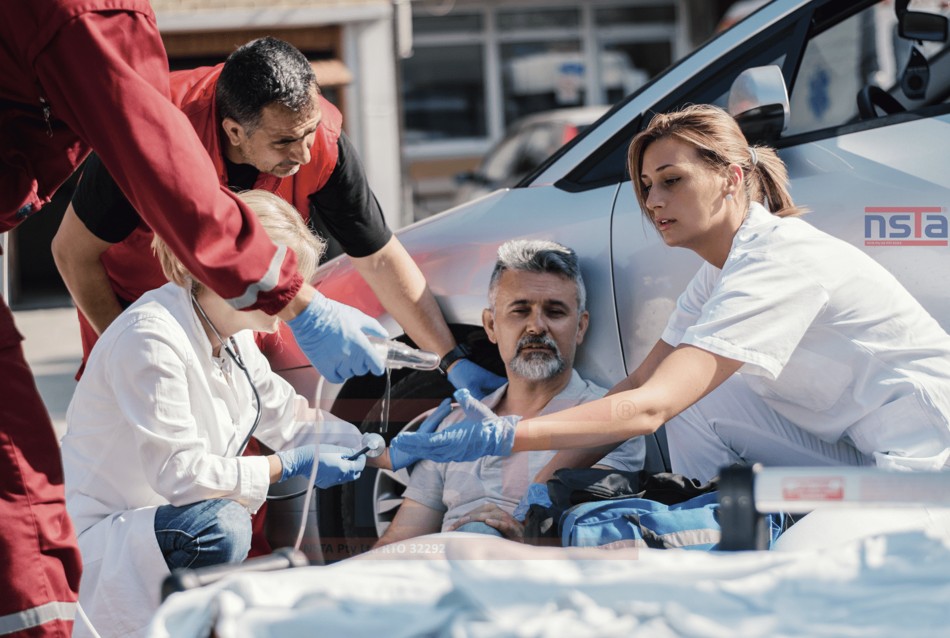
Sadly, accidents can happen at any time these days. No matter where you are—at home, at work, or in public—knowing what to do in the first few seconds can save lives. This is where the HLTAID011 First Aid Course comes in. It is a widely recognised standard in Australia that teaches people how to save lives. But getting ready for unplanned health crises is more than just finishing the training. It’s also about building confidence, being aware, and being ready to act when it means the most.
Why HLTAID011 Matters
The HLTAID011 First Aid Course covers a wide spectrum of scenarios—from treating minor injuries to performing CPR in life-threatening situations. This training is not just a requirement for certain professions but a valuable skill set for anyone who wants to make a difference in emergencies. Imagine being present when a loved one has an allergic reaction or a colleague suddenly collapses. With HLTAID011, you’ll know exactly what steps to take while waiting for medical help to arrive.
First Aid Training in Sydney: A Growing Need
As urban environments become busier and more complex, the demand for first aid training Sydney programs has grown significantly. In workplaces, schools, and public spaces, there’s an increased awareness that emergencies can happen at any time. Enrolling in a course ensures individuals are not only meeting compliance standards but are also contributing to safer communities. Sydney, in particular, has seen a surge in organisations encouraging employees to upskill in first aid, recognising its role in promoting workplace health and safety.
The Role of CPR in Crisis Response
One of the most critical aspects of HLTAID011 is learning cardiopulmonary resuscitation (CPR). CPR is often the difference between life and death in sudden cardiac arrest situations. Providers like CPR First Aid Pro emphasise the importance of practising CPR techniques until they become second nature. This hands-on practice helps participants overcome hesitation and act decisively during emergencies. By training regularly, individuals ensure their skills remain sharp and reliable, ready to be applied when every second counts.
Beyond Certification: Building a Culture of Preparedness
Completing the HLTAID011 First Aid Course is just the first step. True preparedness involves cultivating a mindset of responsibility and readiness. This means regularly refreshing your knowledge, keeping first aid kits stocked, and encouraging others to undergo training as well. Families, workplaces, and community groups benefit when more people are empowered with the confidence to act during a health crisis.
Preparedness also extends to mental readiness. In high-pressure moments, staying calm is as important as knowing the right technique. HLTAID011 not only teaches technical skills but also prepares individuals to manage stress and maintain composure while offering help.
The Ripple Effect of Training
When one person undertakes first aid training, it creates a ripple effect of safety. For instance, parents who complete a course are better prepared to protect their children, while employees trained in first aid contribute to safer workplaces. Communities benefit when more citizens are capable of stepping in during emergencies, reducing reliance on professional responders in those first crucial minutes. This collective readiness makes entire neighbourhoods stronger and more resilient.
Conclusion: Readiness as a Way of Life
Health crises are unpredictable, but preparedness doesn’t have to be. By enrolling in the HLTAID011 First Aid Course, individuals take a proactive step toward safeguarding lives—not just their own, but those around them. Programs such as first aid training Sydney and providers like CPR First Aid Pro make these skills accessible and practical for everyday people. Beyond the certificate, the true value lies in the confidence, knowledge, and readiness to respond effectively when the unexpected happens.
HLTAID011 and beyond is about more than training; it’s about creating a culture where preparedness becomes second nature—where communities stand stronger together, ready to face health crises with skill and courage.