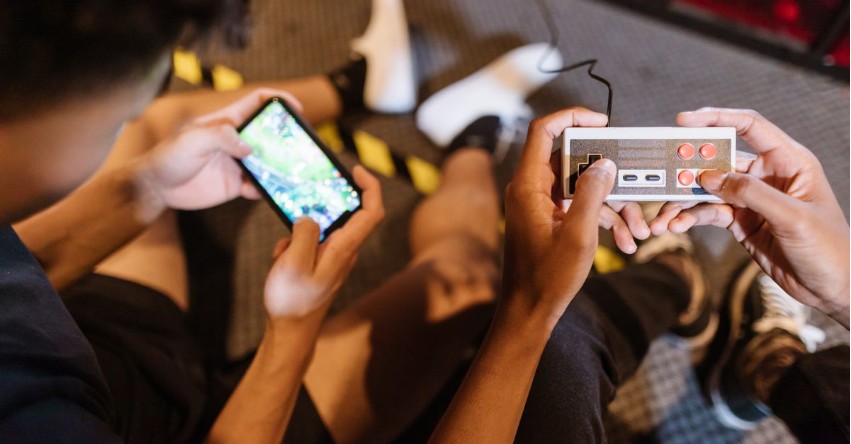
Have you noticed how online gaming is no longer just for teenagers in dark bedrooms?
It has quietly become a normal social habit for kids, parents, college students, and older adults alike. People do not always log in just to compete. They log in to talk, relax, team up, and keep in touch. That shift says a lot about how social life has changed online.
What started as a niche pastime has grown into a shared routine that cuts across age groups. The reasons are simple: easy access, built-in conversation, and a low-pressure way to spend time together even when people are far apart.
From Solo Play To Shared Time
Online gaming did not become social overnight. It changed as internet access improved and games began to include chat, voice, and team play.
From Isolated Screens To Social Rooms
Early games were often solo experiences, but online play turned screens into meeting places. Players could talk while they played, which made the activity feel less like a private hobby and more like hanging out.
That shift mattered because it gave people a reason to return. A match was not only about points or wins. It was also about greeting familiar names, joking around, and keeping a shared routine alive.
Why It Feels Natural
Online gaming fits modern habits because it does not demand the same setup as an in-person meetup. People can join for twenty minutes or stay longer, and that flexibility works for busy schedules.
It also gives structure to conversation. Instead of staring at a blank call screen, people have something to do while they talk. That can make social interaction feel easier, especially for those who find face-to-face gatherings tiring or awkward.
Why Different Age Groups Took It Up
People of all ages found reasons to make online gaming part of their routine.
Younger Players Grew Up With It
For younger people, online gaming has always been tied to social life. They use it the way earlier generations used phone calls or neighborhood hangouts. It is a place to chat, joke, compete, and stay connected after school or work.
Many younger players also like that gaming supports mixed forms of communication. A session can include voice chat, text chat, reactions, and shared goals all at once. That makes the interaction feel active rather than passive.
Older Adults Found A Low-Pressure Connection
Older adults joined for different reasons. Some wanted a way to stay in touch with children or grandchildren. Others wanted a regular activity that felt social but did not require travel, planning, or large groups.
In some families, games became a simple bridge across age gaps. A grandparent can team up with a teenager, a parent can join an adult child after work, and everyone gets a shared topic that is easy to return to later.
For some users, tangan dewa came up in conversations about online play because people often swap links, names, and access tips when they talk about where they spend time together.
Why It Works As A Social Habit
Online gaming lasts as a habit because it gives people more than one social reward at once.
Routine Creates Familiarity
Repeated play builds familiarity in the same way that a weekly class or regular coffee meetup does. People get used to the same voices, the same jokes, and the same rhythms.
That routine can be comforting. When life gets busy or unpredictable, logging in and finding the same group can feel steady. The game itself matters, but the social pattern around it matters just as much.
Shared Goals Make Conversation Easier
It is often easier to talk when there is a task to focus on. Online games give players a shared objective, which reduces pressure and keeps conversation flowing.
Instead of forcing small talk, people can react to what is happening in the game. That gives the social exchange a natural shape, and it helps people who prefer activity-based interaction.
How It Fits Modern Social Life
Online gaming matches how many people already live and communicate.
Distance Is Less Of A Barrier
Friends and family no longer need to live nearby to spend time together. A player in one city can sit in the same session as someone across the country or on another continent.
That matters in families and friend groups that are spread out. Instead of losing contact, people can keep a shared habit alive with a few clicks and some regular time.
It Sits Alongside Other Digital Habits
People already use phones and apps to stay in touch all day. Online gaming fits into that same pattern, but with more interaction and shared activity than a simple text exchange.
For some, sbobet appears in discussions about online habits because people often compare different digital spaces where social interaction, routine, and shared interest overlap.
What It Says About Social Connection Today
Online gaming shows that social connection does not have to look traditional to be real.
Friendship Can Happen In Small Sessions
Not every social habit needs a long dinner, a big event, or a formal plan. Sometimes, ten minutes of play and conversation is enough to keep a relationship active.
Final Thoughts
The main appeal is not just the software or the competition. It is the shared moment. People like having something to do together, especially when it also gives them a reason to talk.