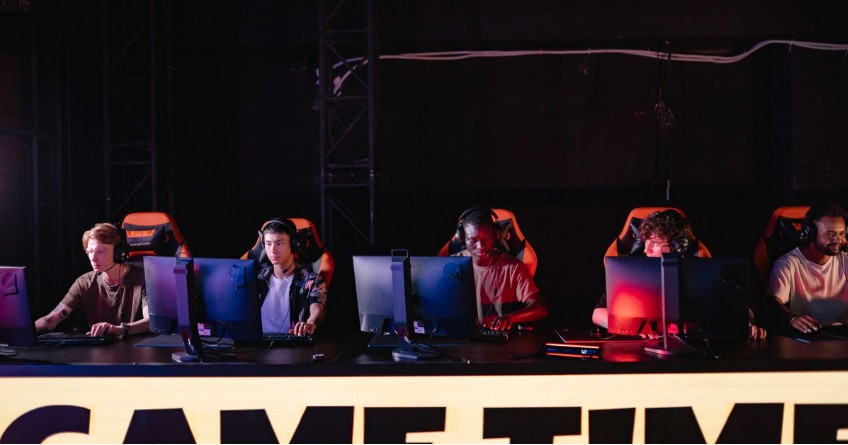
Have you ever noticed how online gaming can make total strangers feel like teammates in just a few minutes? That shared player experience is one of the biggest reasons online games hold attention so well. People do not just log in for mechanics or visuals. They come back for the feeling of being part of something active, social, and unpredictable.
What makes that experience interesting is how many small parts work together at once. Voice chat, quick signals, match pacing, group goals, and even post-match reactions all shape how players remember a session. A game can be technically solid, but if the social side feels cold or confusing, people often lose interest fast.
When the shared experience works, it creates a sense of rhythm between players. You start to read what others might do, adjust your own choices, and feel connected through action instead of long explanation. That is where online gaming becomes more than a solo activity with other people on screen.
Why Shared Play Feels So Strong
The strongest online sessions usually create connection through action first.
Fast Cooperation Builds Trust
Players often build trust in very simple ways. Someone revives a teammate at the right moment, covers an objective, or gives a quick warning before danger hits. These actions are small, but they carry weight because they happen under pressure. A few smart choices can make strangers feel reliable to one another almost instantly.
That is also why short team interactions matter so much. People are not always looking for long conversations. In many matches, a few clear signals are enough to build a good rhythm. Systems that support clean communication tend to make cooperation easier and reduce friction between players.
Shared Stakes Create Strong Memories
The human brain tends to remember moments with tension, surprise, and payoff. Online games produce that mix naturally. A comeback win, a narrow escape, or a coordinated final push often sticks because everyone involved felt the same pressure at the same time. Those moments become stories players retell later.
Communities built around match highlights, strategy talk, or social play often grow from that same pattern. You can even see how players compare experiences across different spaces, including places as varied as gol88, where shared reactions and repeated participation help shape group identity over time.
How Communication Shapes The Session
Good communication tools often decide how smooth a match feels.
Clarity Matters More Than Complexity
The best player communication is usually simple. Pings, icons, map markers, and short callouts can do more than long messages. In fast matches, players need information they can read in a second. If a system asks too much attention, it competes with the game itself and breaks focus.
This is one reason shared experiences vary so much across genres. In some games, communication supports careful planning. In others, it supports instant reaction. The strongest systems match the pace of play and help players act without slowing them down.
Tone Affects Group Energy
Communication is not only about information. Tone matters too. A calm, respectful team often performs better because players stay open to feedback and recover faster from mistakes. Positive group energy can turn an average session into a memorable one, especially when players feel safe contributing ideas or asking simple questions.
That social tone also affects retention. People are more likely to return to spaces where interactions feel fair and readable. Even a small prompt like klik disini can feel natural in a community setting when the surrounding communication is clear, relevant, and not disruptive to the flow of conversation.
What Game Systems Add To Social Play
Game structure has a big effect on how players connect.
Roles Give Players A Place In The Team
When players have distinct roles, cooperation becomes easier to understand. One person defends, another gathers resources, another controls space, and another pushes objectives. Clear roles help players see how their actions matter to the group. That can reduce confusion and give each player a reason to stay invested.
Role clarity also helps mixed-skill groups. Newer players can contribute in visible ways without carrying the whole match, while experienced players can support the team with leadership or timing. The result is a more balanced social environment where people feel useful instead of lost.
Feedback Loops Keep Everyone In Sync
Shared play works best when the game gives immediate feedback. Sound cues, score updates, visual markers, and status effects all tell players what is happening around them. That feedback keeps teams aligned, even if they are not talking much. It helps players react together and understand cause and effect inside the match.
Without that clarity, social play can feel random. Players may blame each other for events they do not fully understand. Good feedback lowers that confusion and makes teamwork feel earned rather than accidental.
Why Players Keep Coming Back
People return for the social feeling as much as the gameplay itself.
Routine And Surprise Work Together
Online gaming has a useful mix of familiarity and unpredictability. Players know the basic rules, maps, or objectives, but each group changes the mood and outcome. That balance keeps sessions fresh while still feeling comfortable. It is one reason shared player experiences remain strong over long periods.
Belonging Gives Play More Meaning
When players feel recognized by teammates, rivals, or regular groups, sessions carry more meaning. They are not just completing matches. They are taking part in a social pattern with shared jokes, habits, and expectations. That sense of belonging can turn a simple hobby into a steady part of daily life.
The shared player experience behind online gaming is really about human connection shaped by systems, timing, and interaction. People remember how others made them feel, how the team responded under pressure, and how a single match created a story worth repeating. That is what gives online play its lasting pull.