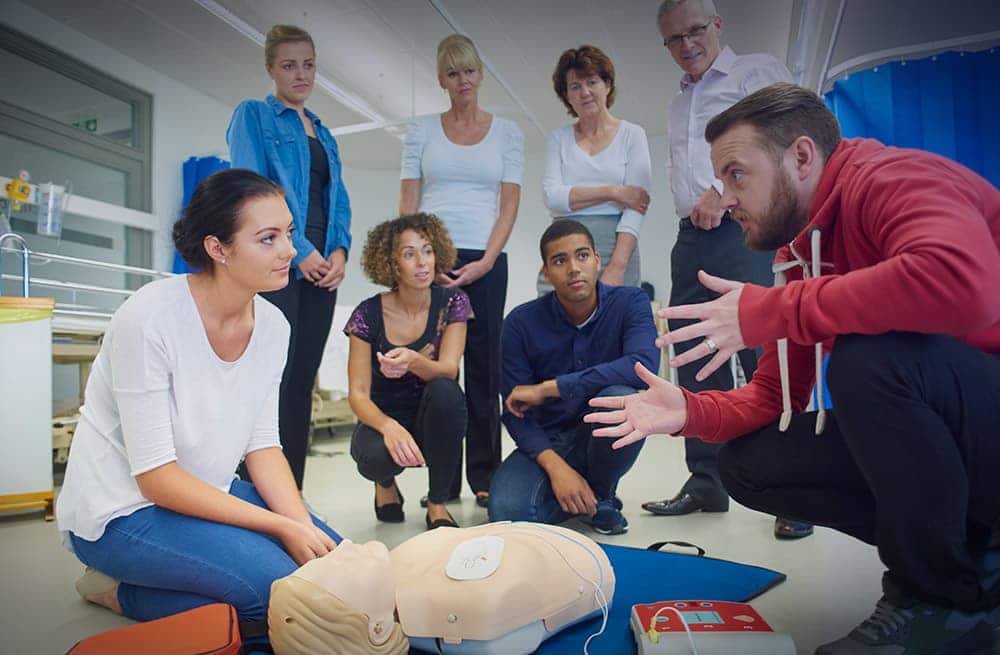
Teachers play a central role in creating safe, supportive, and responsive learning environments. While their primary responsibility is education, they are also often the first adults to respond when a child is hurt, becomes ill, or experiences an unexpected emergency. Because school settings are unpredictable and involve students of various ages and needs, regularly updating first aid knowledge is more than a recommended practice; it is a professional necessity. Enrolling in a first aid course Canberra is a practical step teachers can take to ensure they stay prepared, confident, and capable of protecting their students’ wellbeing.
Emergencies Can Happen Anytime in a School Environment
Schools are active spaces filled with sports activities, science experiments, playground adventures, and daily interactions. These environments naturally increase the likelihood of minor injuries and occasionally more serious incidents. From allergic reactions to asthma flare-ups, falls, choking, or unexpected medical episodes, teachers must be ready to respond quickly and calmly.
Regular first aid refreshers help teachers sharpen their knowledge and maintain confidence in emergency procedures. Skills that are not practised can fade over time, making it important to revisit essential steps such as managing airways, controlling bleeding, and recognising life-threatening symptoms.
Keeping Up with Updated Guidelines and Techniques
Medical guidelines change often as new research and technologies emerge. First aid techniques that were standard a few years ago may no longer be recommended today. For instance, CPR procedures, anaphylaxis management, and asthma treatment protocols are updated periodically to improve survival rates.
Teachers who participate in ongoing first aid training Canberra benefit from the latest evidence based practices. These updated techniques ensure that their response aligns with current safety standards and helps minimise risks during school emergencies. Staying informed means teachers can act with certainty rather than hesitation.
Supporting Students with Diverse Medical Needs
Modern classrooms include children with a wide range of health conditions, including diabetes, epilepsy, allergies, anxiety, and chronic respiratory issues. Teachers who refresh their first aid skills regularly are better equipped to recognise early warning signs and provide timely assistance. This proactive awareness can reduce complications and provide comfort to both students and parents.
Additionally, teachers who understand how to respond to medical emergencies involving special needs students can help create a more inclusive and supportive environment. Updated knowledge empowers them to act swiftly, effectively, and with empathy.
Improving Response Times During Critical Moments
In emergencies, every second counts. A quick, informed response can make the difference between a minor situation and a serious medical event. Regular refreshers help teachers stay familiar with the correct sequence of actions. When procedures become instinctive, teachers can act immediately and confidently in high-pressure situations.
Participating in a comprehensive first aid and cpr course Canberra ensures that essential life saving skills become second nature. This level of preparedness benefits everyone on campus, from students and staff to visiting families.
Enhancing School Safety Policies and Culture
Schools that prioritise regular first aid refresher training build stronger safety cultures. Teachers who continually update their skill set are a positive example for students and colleagues, demonstrating the importance of preparedness and responsibility.
Trained teachers can also support the development of better safety protocols, contribute to risk assessments, and help identify areas where additional equipment or procedures may be needed. Their up-to-date knowledge strengthens the school’s overall emergency response system.
Reducing Anxiety and Boosting Teacher Confidence
Emergencies are stressful, especially when they involve young children. Teachers who maintain updated skills feel more confident, composed, and capable when facing unexpected situations. This confidence can significantly reduce anxiety and ensure that responses are clear, calm, and effective.
Regular training also reduces teacher burnout by giving educators the reassurance that they can handle emergencies without feeling overwhelmed.
Conclusion
Refreshing first aid skills is essential for every teacher. Schools depend on educators to manage both learning and emergency situations with professionalism and care. Whether it’s responding to minor injuries, recognising signs of medical distress, or performing lifesaving actions, teachers must remain prepared. Through ongoing education and updated training, especially by enrolling in local programs such as those offered through first aid courses Canberra, teachers can ensure they provide the safest environment possible for their students. Regular renewal of skills is not just beneficial; it is an integral part of modern teaching.