When individuals feel connected, safe, and supported, communities flourish. Community planning has traditionally prioritised physical safety, but psychological and emotional health are just as crucial. Concerns about stress, social isolation, financial strains, and trauma are becoming more prevalent among community leaders these days. Because of these difficulties, leaders must be ready to act appropriately in the event that a mental health crisis occurs. Making mental health response training a priority gives communities the skills they need to react with empathy, self-assurance, and useful assistance.
The Increasing Demand For Awareness Of Mental Health
People of all ages, ethnicities, and occupations are impacted by mental health issues. Anyone may be affected by emotional difficulties, from senior folks dealing with loneliness to youngsters dealing with scholastic stress. In times of need, community leaders are often the first people reach out to, whether in local support groups, businesses, schools, or places of worship. Without the right information, even well-intentioned reactions might inadvertently make people feel more distressed. Leaders who get mental health training are better able to see early warning indicators like emotional discomfort, panic, withdrawal, or behavioural changes, allowing for prompt and helpful action.
Recognising The Effects Of Prompt Intervention
Recovery is far more likely when mental health issues are treated early. Long-term emotional suffering, broken relationships, and worsened symptoms might result from delayed assistance. Leaders who have received training in mental health response techniques can reassure people right away and direct them to the right kind of medical attention. This prompt action lessens stigma and empowers people to get treatment without worrying about being judged.
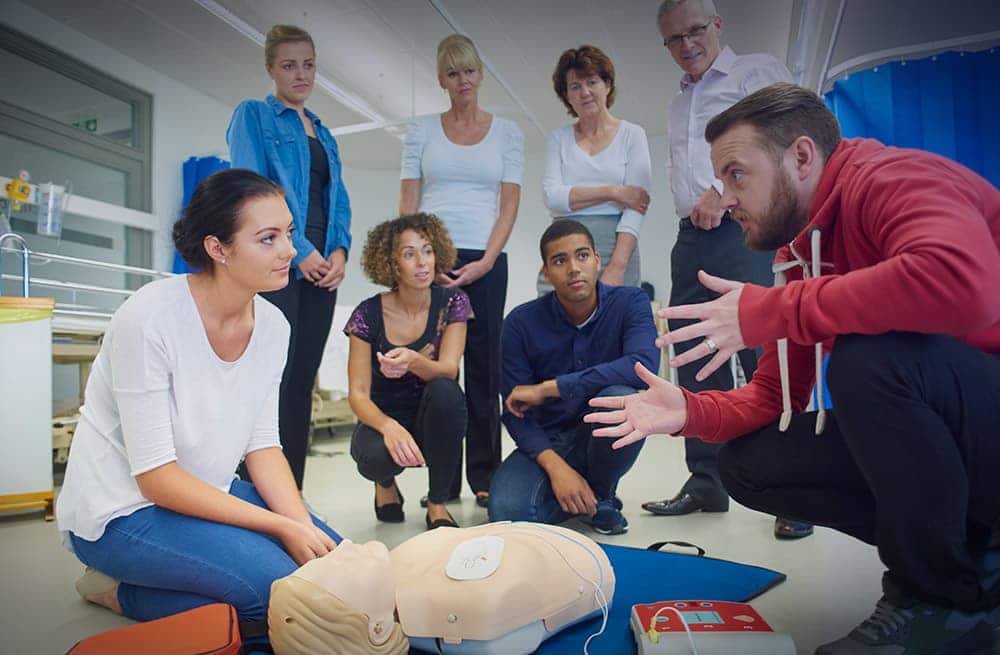
Leaders are more equipped to deal with real-life situations like panic attacks, extreme anxiety episodes, suicide thoughts, or trauma reactions when they participate in an organised learning programme like a Mental Health Crisis Response Course. Leaders may improve their ability to stabilise situations until expert help arrives by using practical tools and communication strategies.
Creating Communities That Are Safer And More Supportive
When individuals feel appreciated and understood, communities thrive. Leaders who put mental health readiness first contribute to the development of spaces where people feel comfortable talking about their difficulties. People are more inclined to encourage one another and seek help early when emotional well-being is ingrained in the community culture.
Initiatives such as First Aid for Mental Health Courses provide useful models for handling mental health crises. Participants in these courses learn how to recognise danger, reassure others, listen without passing judgement, and link people to the right kind of care. Communities build a more robust network of knowledgeable responders prepared to help in times of need as more leaders undergo training.
Using Education To Reduce Stigma
One of the biggest obstacles keeping individuals from getting mental health care is stigma. Open discussions on emotional difficulties are often discouraged by misconceptions and antiquated ideas. In order to change this narrative, community leaders are essential.
Leaders make a strong statement that mental well-being is important when they publicly support mental health initiatives and take part in training programmes. Understanding takes the place of fear, and empathy is fostered by education. This change gradually persuades community members to see mental health care as a natural and necessary component of general well-being.
Developing Crisis Confidence And Leadership Capabilities
Training in mental health response does more than just get leaders ready for crises. It improves critical leadership skills, including decision-making, communication, empathy, and conflict resolution. Leaders develop the ability to react intelligently, maintain composure under duress, and mentor others towards positive solutions.
In times of crisis, confidence is extremely important. Leaders may hesitate or feel overpowered when faced with emotional hardship if they are not trained. They may react with compassion and clarity if they are prepared, which will lessen anxiety and promote community stability.
Assisting Children And Vulnerable Groups
Due to societal constraints, loneliness, or restricted access to treatment, young people, the elderly, and marginalised groups often experience increased risks to their mental health. Community leaders who work in social services, youth programmes, and schools are in a unique position to recognise and assist these people.
Training programmes assist leaders in identifying indicators of trauma connected to bullying, anxiety disorders, depression, or teenage self-harm risks. Vulnerable people are supported before issues worsen thanks to early intervention. Stronger social ties and better growth are two benefits of this proactive strategy.
Long-Term Resilience Of Communities
Communities that make investments in mental health readiness are more resilient to calamities like public health emergencies, economic downturns, and natural catastrophes. Recuperation and adaptation during trying situations are greatly aided by emotional resilience.
Leaders help their communities become more emotionally resilient by emphasising mental health education and readiness. In times of stress, skilled leaders promote open communication, build trust, and aid in the group’s recovery.
In Conclusion
Although mental health issues are an unavoidable aspect of life, communities may react in ways that support resilience, healing, and dignity. Prioritising mental health response training helps community leaders make places safer, less stigmatising, and provide prompt assistance to those in need. Leaders empower people, build social relationships, and create communities where emotional health is just as important as physical safety by honing their ability to react effectively and compassionately.