
When I first started exploring online gaming three years ago, I had no idea how profoundly it would reshape my perspective on digital communities and strategic thinking. My introduction came through platforms like mostbet, and I quickly realized that online gaming represented something far more sophisticated than the simple entertainment I initially expected. What began as a way to unwind after long workdays evolved into a fascinating hobby that’s taught me unexpected lessons about human behavior, decision-making under pressure, and the power of virtual communities to create genuine connections.
I’ve always been somewhat skeptical of claims that gaming could teach valuable real-world skills, but my personal experience has completely changed that view. The cognitive challenges, social dynamics, and emotional resilience required for successful online gaming have genuinely improved various aspects of my daily life in ways I’m still discovering.
My Unexpected Journey Into Competitive Gaming
I never considered myself a competitive person before discovering online gaming. In fact, I actively avoided competitive sports and activities throughout my childhood because I disliked the pressure and potential for public failure. But something about the digital environment felt different—safer somehow, with enough distance to take risks I wouldn’t have taken in face-to-face competition.
My first competitive matches were disasters, honestly. I remember feeling my heart racing, my palms sweating as I made rookie mistakes that probably made experienced players roll their eyes. But unlike traditional sports where I would have felt humiliated, the online environment gave me space to fail privately, learn from my mistakes, and try again without judgment following me into other areas of my life.
What hooked me wasn’t winning—I lost far more than I won initially—but rather the incremental improvement I could track. Each session taught me something new about game mechanics, opponent psychology, or my own decision-making patterns. This measurable progress became addictive in the healthiest way, motivating me to study strategies, analyze my gameplay recordings, and constantly seek improvement.
The Surprising Depth of Online Relationships
I’ll admit I was one of those people who dismissed online friendships as somehow less valid than in-person relationships. That prejudice evaporated completely within my first few months of online gaming. The teammates I met through cooperative games have become genuine friends whose wellbeing I care about deeply, despite having never met most of them face-to-face.
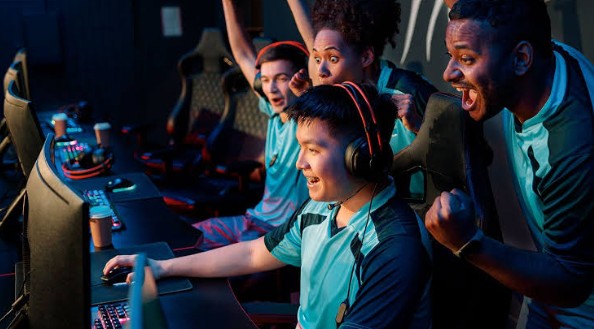
There’s something uniquely bonding about working together toward common goals in high-pressure situations. When you’re coordinating complex strategies with teammates, relying on each other’s skills, and celebrating victories together, you develop trust and camaraderie that feels entirely authentic. I’ve had teammates support me through difficult personal challenges, offer career advice, and celebrate my real-world achievements with genuine enthusiasm.
What surprises me most is how these friendships have endured beyond the games themselves. Even when I’ve stopped playing certain games or taken breaks from gaming altogether, many of these friendships have continued through other communication channels. We’ve evolved from gaming partners to actual friends who happen to have met through gaming—a distinction that feels important to me.
Learning to Handle Pressure and Make Quick Decisions
One skill I’ve developed through online gaming that’s proved invaluable in my professional life is making effective decisions under time pressure. Many competitive games require split-second choices with significant consequences, and you don’t have the luxury of overthinking options. This has fundamentally changed how I approach decision-making at work.
I used to be paralyzed by analysis paralysis, spending excessive time weighing options and fearing wrong choices. Gaming taught me that making a decent decision quickly is often better than making a perfect decision too late. This doesn’t mean being reckless—it means trusting my instincts, using available information efficiently, and accepting that some uncertainty is inevitable.
The feedback loops in gaming are remarkably direct. You make a decision, see immediate results, and can quickly assess whether your choice was effective. This rapid feedback has trained my intuition in ways that slower-paced activities never could. I’ve become much better at pattern recognition and predicting outcomes based on limited information—skills that serve me well beyond gaming contexts.
Understanding Risk Management Through Experience
Online gaming has given me practical education in risk management that rivals anything I learned in formal education. Games constantly present risk-reward tradeoffs: Do you take the aggressive play with high upside but significant danger? Or do you choose the conservative approach with lower potential reward but greater safety?
I’ve learned through repeated experience—including many painful failures—how to assess risks more accurately. I’ve developed better intuition about when calculated risks are worthwhile versus when caution is the wiser choice. This skill has translated surprisingly well to financial decisions, career choices, and even social situations where I need to evaluate potential outcomes.
What gaming taught me about risk that academic learning never quite captured is the emotional component. It’s one thing to understand probability theoretically; it’s entirely different to make high-stakes decisions while managing the anxiety of potential loss. Gaming has trained me to maintain clearer thinking under emotional pressure, separating feelings from rational analysis when making important choices.
The Dark Side: When Gaming Becomes Too Much
I’d be dishonest if I pretended my gaming experiences have been entirely positive. There have been periods where gaming crossed from healthy hobby into problematic behavior that negatively impacted other life areas. I’ve experienced the warning signs that many gamers face but rarely discuss openly.
There were months where I prioritized gaming over sleep, arriving at work exhausted because I’d stayed up until 3 AM chasing rank advancement or completing event objectives. I’ve canceled social plans with real-world friends to participate in online tournaments, sometimes lying about why I couldn’t attend. I’ve felt genuine irritability when circumstances prevented me from gaming, recognizing that as a warning sign of unhealthy dependency.
The turning point came when a close friend gently confronted me about how my gaming habits were affecting our friendship. That conversation, though difficult, helped me recognize that I needed to establish healthier boundaries. Now I set strict time limits, prioritize real-world commitments, and regularly take extended breaks from gaming to maintain perspective. This balance has made gaming enjoyable again rather than feeling like an obligation or escape mechanism.
What I’ve Learned About Different Types of Players
One fascinating aspect of online gaming has been observing the incredible diversity of player motivations and personalities. I’ve encountered perfectionists who obsess over optimal strategies, casual players seeking pure entertainment, social gamers primarily interested in community interaction, and competitive players driven by ranking and recognition.
Understanding these different player types has improved my teamwork and communication skills. I’ve learned to adjust my interaction style based on what motivates my teammates—offering encouragement to those who respond well to positive reinforcement, providing tactical analysis for strategy-focused players, or simply maintaining friendly conversation with social gamers. This adaptability has proved valuable in professional settings where I work with diverse personality types.
I’ve also become more self-aware about my own gaming motivations, recognizing that they shift depending on my mood and life circumstances. Sometimes I seek competitive challenge; other times I want relaxing cooperation or solo exploration. Understanding this flexibility in my own preferences has helped me be more forgiving of myself and others when our gaming goals don’t perfectly align.
My Thoughts on Gaming’s Cultural Impact
Reflecting on my gaming journey, I’m struck by how this medium has evolved into a legitimate cultural force that shapes how people interact, communicate, and build communities. The stereotypes about gamers being isolated individuals in dark basements feel increasingly outdated and inaccurate compared to the vibrant, diverse communities I’ve experienced.
Online gaming has created new forms of social organization, its own languages and cultural references, and spaces where people from radically different backgrounds find common ground. I’ve played with people from dozens of countries, spanning multiple generations, with diverse professional backgrounds and life experiences. The shared language of gaming enables connections that might never occur in traditional social contexts.
I believe we’re still in the early stages of understanding gaming’s social and cultural significance. As technology continues advancing and generational attitudes shift, gaming will likely become even more integrated into mainstream culture. I’m genuinely curious to see how this evolution unfolds and what new forms of community and connection will emerge.
Online gaming has given me far more than entertainment—it’s provided valuable life lessons, meaningful friendships, and skills that extend well beyond virtual worlds. While I maintain awareness of potential downsides and work to keep gaming in healthy balance with other life priorities, I’m genuinely grateful for the experiences and growth this hobby has facilitated.